Buy palba.eu ?
We are moving the project
palba.eu .
Are you interested in purchasing the domain
palba.eu ?
domain@kv-gmbh.de · 0541-91531010
Buy palba.eu ?
What are demonstrative pronouns and relative pronouns?
Demonstrative pronouns are pronouns that are used to point to specific things or people. Examples of demonstrative pronouns include "this," "that," "these," and "those." Relative pronouns are pronouns that introduce dependent clauses and connect them to independent clauses. Examples of relative pronouns include "who," "whom," "whose," "which," and "that." **
Why are demonstrative pronouns called demonstrative pronouns?
Demonstrative pronouns are called demonstrative because they demonstrate or point to a specific noun or pronoun in a sentence. They help to indicate the position or location of the noun or pronoun in relation to the speaker or listener. By using demonstrative pronouns such as "this," "that," "these," and "those," speakers can make their communication more precise and clear by specifying which person, place, thing, or idea they are referring to. **


Similar search terms for - Pronouns
Top-Angebote
Products related to - Pronouns:
-
Uplift Treasures Adjustable UV Protection Dog Sunglasses Adjustable UV Protection Dog SunglassesProduct Description: Protect your pets eyes in style with these adjustable dog sunglasses designed for small and medium breeds. Featuring UV protection, a soft comfortable frame, and windproof design, these pet goggles are perfect for outdoor walks,...75,97 $*Shipping: 0,00 $Secure redirect to the provider
-
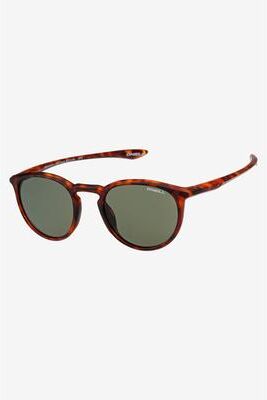
O'Neill 2.0 Sunglasses in TortoiseChannel timeless surf cool with the O'Neill Cloudbreak 2.0 polarized sunglasses, featuring a classic round eye shape paired with a vintage keyhole bridge and sleek beveled streamlined temples. This unisex retro-inspired silhouette brings effortless...69,00 $*Shipping: 0,00 $Secure redirect to the provider
-
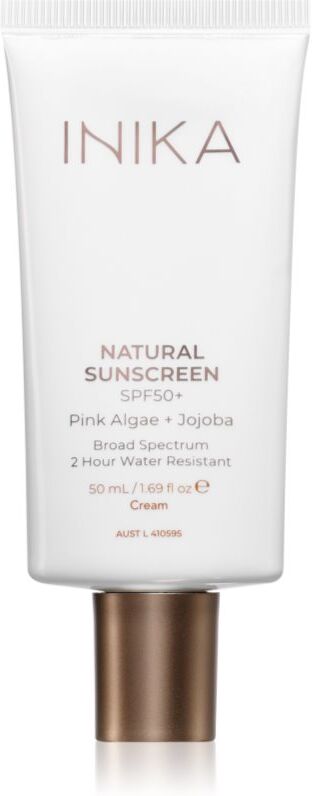
INIKA Organic Natural Sunscreen SPF 50+ sunscreen SPF 50+ 50 mlINIKA Organic Natural Sunscreen SPF 50+, 50 ml, Protection against Sunlight for Women, Protect your skin against premature ageing and other damage caused by sun exposure. The delicate skin on your face is far more sensitive than the skin on the rest of your body and is exposed to the sun all year round – another reason why it is important not to neglect skin protection. The INIKA Organic Natural Sunscreen SPF 50+ is a sunscreen that reliably protects your skin against UV rays and helps you prevent not just sunburn and pigment spots, but also reduced skin elasticity, collagen loss and other signs of skin ageing. Characteristics: protects skin against UVA and UVB radiation moisturises intensely is absorbed quickly nourishes skin easy to spread without leaving an oily film strengthens the skin barrier Ingredients: vegan product vitamin E – nourishes, provides antioxidant protection against premature ageing and damage caused by free radicals, helps smooth wrinkles and restore skin firmness and elasticity coconut oil – contains a large amount of antioxidants, helps prevent wrinkles and premature skin aging, intensively nourishes, softens and promotes hydration, regeneration and soothing of skin jojoba oil – keeps skin intensely hydrated, provides antioxidant protection, counteracts irritation and dryness, helps regulate sebum production and promotes regeneration How to use: Apply sun protection generously.32,73 £*Shipping: 3,99 £Secure redirect to the provider
-
INIKA Organic Tinted Natural Sunscreen toning sunscreen SPF 50+ 50 mlINIKA Organic Tinted Natural Sunscreen, 50 ml, Protection against Sunlight for Women, Protect your skin against premature ageing and other damage caused by sun exposure. The delicate skin on your face is far more sensitive than the skin on the rest of your body and is exposed to the sun all year round – another reason why it is important not to neglect skin protection. The INIKA Organic Tinted Natural Sunscreen is a sunscreen that reliably protects your skin against UV rays and helps you prevent not just sunburn and pigment spots, but also reduced skin elasticity, collagen loss and other signs of skin ageing. Characteristics: protects skin against UVA and UVB radiation is absorbed quickly nourishes skin hydrates and nourishes Ingredients: vegan product vitamin E – nourishes, provides antioxidant protection against premature ageing and damage caused by free radicals, helps smooth wrinkles and restore skin firmness and elasticity coconut oil – contains a large amount of antioxidants, helps prevent wrinkles and premature skin aging, intensively nourishes, softens and promotes hydration, regeneration and soothing of skin jojoba oil – keeps skin intensely hydrated, provides antioxidant protection, counteracts irritation and dryness, helps regulate sebum production and promotes regeneration How to use: Apply to clean skin before sun exposure.31,87 £*Shipping: 3,99 £Secure redirect to the provider


-
With which pronouns do many people confuse reflexive pronouns?
Many people confuse reflexive pronouns with personal pronouns. For example, they may use "myself" or "yourself" instead of "me" or "you" in a sentence. This confusion often occurs when people are trying to emphasize the subject of the sentence, but they mistakenly use a reflexive pronoun instead of a personal pronoun. It's important to understand the difference between reflexive and personal pronouns in order to use them correctly in sentences. **
-
What are pronouns?
Pronouns are words that are used in place of nouns to avoid repetition in a sentence. They can refer to people, places, things, or ideas. Pronouns help make sentences clearer and more concise by replacing specific nouns with general words like "he," "she," "it," "they," and "we." Using pronouns also helps to maintain the flow of writing and make it more engaging for the reader. **
-
What is the difference between personal pronouns and reflexive pronouns?
Personal pronouns are used to refer to people or things, such as "I," "you," "he," "she," "it," "we," and "they." Reflexive pronouns, on the other hand, are used when the subject and object of a sentence are the same person or thing, such as "myself," "yourself," "himself," "herself," "itself," "ourselves," and "themselves." Reflexive pronouns are used to reflect the action back onto the subject, while personal pronouns simply refer to the subject or object. **
-
Which pronouns do many people often confuse with reflexive pronouns?
Many people often confuse reflexive pronouns with intensive pronouns. Intensive pronouns are used to emphasize a preceding noun or pronoun, while reflexive pronouns are used when the subject and object of a sentence are the same. For example, "I myself will do it" uses an intensive pronoun, while "I hurt myself" uses a reflexive pronoun. It is important to understand the distinction between these two types of pronouns to use them correctly in sentences. **

Can you help me with personal pronouns and possessive pronouns?
Certainly! Personal pronouns are used to replace nouns in a sentence, such as "I", "you", "he", "she", "it", "we", and "they". Possessive pronouns show ownership or possession, such as "mine", "yours", "his", "hers", "ours", and "theirs". If you need help understanding how to use these pronouns in a sentence or identifying which pronoun to use in a specific context, feel free to ask for more guidance. **
What is the difference between relative pronouns and interrogative pronouns?
Relative pronouns are used to connect a dependent clause to an independent clause, providing more information about a noun in the independent clause. They include words like "who," "which," and "that." Interrogative pronouns, on the other hand, are used to ask questions and gather information. They include words like "who," "what," "which," "whom," and "whose." The main difference between the two is their function in a sentence - relative pronouns connect clauses, while interrogative pronouns are used to ask questions. **
Top-Angebote
Products related to - Pronouns:
-
Daily Deals Depot Cherry Crush Plunge Crop Top For Women Retro Summer Beachwear white sExperience the playful confidence of early2000s fashion with a flattering Y2K crop top designed to turn heads wherever you go. This charming cherry print top combines sweet vintageinspired style with a daring plunge neckline for the perfect balance...39,97 $*Shipping: 0,00 $Secure redirect to the provider
-
Inspire Essentials ShadePaw UV Protection Dog Sunglasses ShadePaw UV Protection Dog SunglassesProtect your pets eyes while adding a stylish touch to every outdoor adventure. These dog sunglasses are designed to help shield your pets eyes from sunlight wind and dust during walks rides and outdoor activities. The lightweight soft frame and...34,98 $*Shipping: 0,00 $Secure redirect to the provider
-
Uplift Treasures Adjustable UV Protection Dog Sunglasses Adjustable UV Protection Dog SunglassesProduct Description: Protect your pets eyes in style with these adjustable dog sunglasses designed for small and medium breeds. Featuring UV protection, a soft comfortable frame, and windproof design, these pet goggles are perfect for outdoor walks,...75,97 $*Shipping: 0,00 $Secure redirect to the provider
-
O'Neill 2.0 Sunglasses in TortoiseChannel timeless surf cool with the O'Neill Cloudbreak 2.0 polarized sunglasses, featuring a classic round eye shape paired with a vintage keyhole bridge and sleek beveled streamlined temples. This unisex retro-inspired silhouette brings effortless...69,00 $*Shipping: 0,00 $Secure redirect to the provider
-
What are demonstrative pronouns and relative pronouns?
Demonstrative pronouns are pronouns that are used to point to specific things or people. Examples of demonstrative pronouns include "this," "that," "these," and "those." Relative pronouns are pronouns that introduce dependent clauses and connect them to independent clauses. Examples of relative pronouns include "who," "whom," "whose," "which," and "that." **
-
Why are demonstrative pronouns called demonstrative pronouns?
Demonstrative pronouns are called demonstrative because they demonstrate or point to a specific noun or pronoun in a sentence. They help to indicate the position or location of the noun or pronoun in relation to the speaker or listener. By using demonstrative pronouns such as "this," "that," "these," and "those," speakers can make their communication more precise and clear by specifying which person, place, thing, or idea they are referring to. **
-
With which pronouns do many people confuse reflexive pronouns?
Many people confuse reflexive pronouns with personal pronouns. For example, they may use "myself" or "yourself" instead of "me" or "you" in a sentence. This confusion often occurs when people are trying to emphasize the subject of the sentence, but they mistakenly use a reflexive pronoun instead of a personal pronoun. It's important to understand the difference between reflexive and personal pronouns in order to use them correctly in sentences. **
-
What are pronouns?
Pronouns are words that are used in place of nouns to avoid repetition in a sentence. They can refer to people, places, things, or ideas. Pronouns help make sentences clearer and more concise by replacing specific nouns with general words like "he," "she," "it," "they," and "we." Using pronouns also helps to maintain the flow of writing and make it more engaging for the reader. **
Similar search terms for - Pronouns
-
INIKA Organic Natural Sunscreen SPF 50+ sunscreen SPF 50+ 50 mlINIKA Organic Natural Sunscreen SPF 50+, 50 ml, Protection against Sunlight for Women, Protect your skin against premature ageing and other damage caused by sun exposure. The delicate skin on your face is far more sensitive than the skin on the rest of your body and is exposed to the sun all year round – another reason why it is important not to neglect skin protection. The INIKA Organic Natural Sunscreen SPF 50+ is a sunscreen that reliably protects your skin against UV rays and helps you prevent not just sunburn and pigment spots, but also reduced skin elasticity, collagen loss and other signs of skin ageing. Characteristics: protects skin against UVA and UVB radiation moisturises intensely is absorbed quickly nourishes skin easy to spread without leaving an oily film strengthens the skin barrier Ingredients: vegan product vitamin E – nourishes, provides antioxidant protection against premature ageing and damage caused by free radicals, helps smooth wrinkles and restore skin firmness and elasticity coconut oil – contains a large amount of antioxidants, helps prevent wrinkles and premature skin aging, intensively nourishes, softens and promotes hydration, regeneration and soothing of skin jojoba oil – keeps skin intensely hydrated, provides antioxidant protection, counteracts irritation and dryness, helps regulate sebum production and promotes regeneration How to use: Apply sun protection generously.32,73 £*Shipping: 3,99 £Secure redirect to the provider
-
INIKA Organic Tinted Natural Sunscreen toning sunscreen SPF 50+ 50 mlINIKA Organic Tinted Natural Sunscreen, 50 ml, Protection against Sunlight for Women, Protect your skin against premature ageing and other damage caused by sun exposure. The delicate skin on your face is far more sensitive than the skin on the rest of your body and is exposed to the sun all year round – another reason why it is important not to neglect skin protection. The INIKA Organic Tinted Natural Sunscreen is a sunscreen that reliably protects your skin against UV rays and helps you prevent not just sunburn and pigment spots, but also reduced skin elasticity, collagen loss and other signs of skin ageing. Characteristics: protects skin against UVA and UVB radiation is absorbed quickly nourishes skin hydrates and nourishes Ingredients: vegan product vitamin E – nourishes, provides antioxidant protection against premature ageing and damage caused by free radicals, helps smooth wrinkles and restore skin firmness and elasticity coconut oil – contains a large amount of antioxidants, helps prevent wrinkles and premature skin aging, intensively nourishes, softens and promotes hydration, regeneration and soothing of skin jojoba oil – keeps skin intensely hydrated, provides antioxidant protection, counteracts irritation and dryness, helps regulate sebum production and promotes regeneration How to use: Apply to clean skin before sun exposure.31,87 £*Shipping: 3,99 £Secure redirect to the provider
-
O'Neill 2.0 Sunglasses in Matte BlackEffortlessly cool, the O'Neill Coastline 2.0 men's polarized sunglasses feature a subtle square front with a vintage keyhole bridge that gives this frame a refined heritage edge. Versatile enough for everyday wear yet distinctive enough to make a...89,00 $*Shipping: 0,00 $Secure redirect to the provider
-
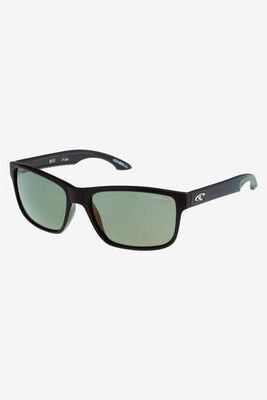
O'Neill 2.0 Sunglasses in Black GoldThe O'Neill Anso 2.0 men's polarized sunglasses deliver classic surf style with a confidently squared front shape that flatters every face. With bold color patterns and premium lens treatments, this versatile frame transitions effortlessly from...69,00 $*Shipping: 0,00 $Secure redirect to the provider
-
What is the difference between personal pronouns and reflexive pronouns?
Personal pronouns are used to refer to people or things, such as "I," "you," "he," "she," "it," "we," and "they." Reflexive pronouns, on the other hand, are used when the subject and object of a sentence are the same person or thing, such as "myself," "yourself," "himself," "herself," "itself," "ourselves," and "themselves." Reflexive pronouns are used to reflect the action back onto the subject, while personal pronouns simply refer to the subject or object. **
-
Which pronouns do many people often confuse with reflexive pronouns?
Many people often confuse reflexive pronouns with intensive pronouns. Intensive pronouns are used to emphasize a preceding noun or pronoun, while reflexive pronouns are used when the subject and object of a sentence are the same. For example, "I myself will do it" uses an intensive pronoun, while "I hurt myself" uses a reflexive pronoun. It is important to understand the distinction between these two types of pronouns to use them correctly in sentences. **
-
Can you help me with personal pronouns and possessive pronouns?
Certainly! Personal pronouns are used to replace nouns in a sentence, such as "I", "you", "he", "she", "it", "we", and "they". Possessive pronouns show ownership or possession, such as "mine", "yours", "his", "hers", "ours", and "theirs". If you need help understanding how to use these pronouns in a sentence or identifying which pronoun to use in a specific context, feel free to ask for more guidance. **
-
What is the difference between relative pronouns and interrogative pronouns?
Relative pronouns are used to connect a dependent clause to an independent clause, providing more information about a noun in the independent clause. They include words like "who," "which," and "that." Interrogative pronouns, on the other hand, are used to ask questions and gather information. They include words like "who," "what," "which," "whom," and "whose." The main difference between the two is their function in a sentence - relative pronouns connect clauses, while interrogative pronouns are used to ask questions. **
* All prices are inclusive of VAT and, if applicable, plus shipping costs. The offer information is based on the details provided by the respective shop and is updated through automated processes. Real-time updates do not occur, so deviations can occur in individual cases. ** Note: Parts of this content were created by AI.